
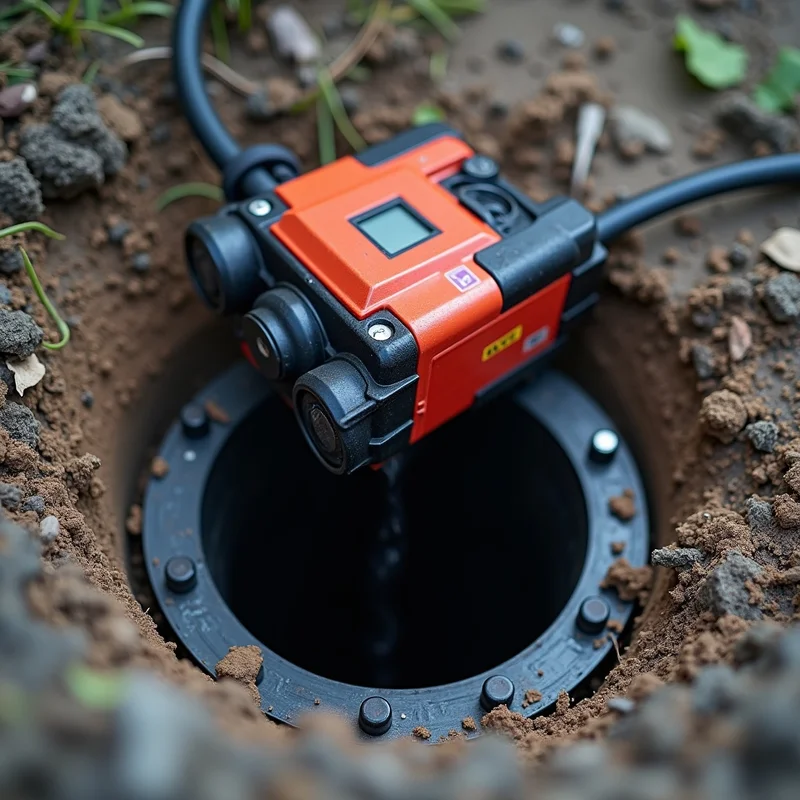
If a German plumber has mentioned CCTV drain inspection, you might be wondering what it actually is and whether it's worth the cost. This guide explains the technology, why it matters for your property, and when it's the smart choice — whether you're renting, own your home, or managing a commercial space. By the end, you'll understand how this simple camera scan can save you thousands in unnecessary repairs.
What Is CCTV Drain Inspection and How Does It Work?
CCTV drain inspection uses a small, waterproof camera mounted on a flexible rod or cable to travel through your drainage pipes. The camera transmits live video to a monitor above ground, showing the plumber exactly what's inside your drain system — whether it's tree roots, cracks, blockages, or buildup.
- The camera is roughly the size of a coin and can navigate bends, junctions, and vertical pipes
- Real-time video feed allows plumbers to see problems as they happen, not guess about them
- Recording capability means you get documentation of the inspection for your records and insurance
- Non-invasive — no digging, no destruction of walls or gardens
The entire process is straightforward and typically takes 30 minutes to 2 hours, depending on how much pipe needs inspection. Your plumber will insert the camera through an access point (often a drain opening or cleanout), guide it through the system, and create a detailed report of any issues found.
When You Need CCTV Drain Inspection in Germany
German property standards are high, but older buildings — especially those from the 1950s–1980s — often have aging drainage systems. Knowing when to order a CCTV inspection can prevent costly emergencies and help you understand your responsibilities as a tenant or owner.
- Recurring blockages — if your toilet or sink backs up more than once a year, the underlying cause needs investigating
- Slow drains throughout the house — this suggests a main line problem rather than a single fixture issue
- Before buying or renting a property — especially older buildings; this inspection becomes part of your due diligence
- Persistent bad smells from drains that don't respond to cleaning
- Tree root damage suspected — common in Berlin and other tree-lined cities
- Foundation cracks or settlement — structural movement can damage buried pipes
- After a major blockage — to confirm no residual damage exists
In Germany, landlords must maintain drainage systems in rental properties — it's covered under tenant law. If you're renting and experiencing drainage issues, you can request your landlord arrange an inspection; they cannot charge you for repairs that are their legal responsibility.
For property owners planning renovations or selling, a clean CCTV inspection report adds real value and removes buyer concerns about hidden pipe damage.
What the Inspection Reveals and What Happens Next
CCTV inspection typically reveals one or more of these common issues:
- Tree roots — penetrating the pipe wall; especially problematic in groundwater areas
- Cracks or fractures — often from soil settlement or aging concrete/clay pipes
- Belly sections — sagging pipe segments where water pools and debris collects
- Joint separation — where two pipe sections no longer connect properly
- Blockages — grease, wipes, or mineral buildup
- Corrosion — rust or deterioration inside metal pipes
Once the inspection is complete, your plumber will discuss options. Minor issues like blockages can be cleared immediately using a jet or auger. More serious problems — like cracked pipes or root intrusion — may require specialized repair techniques such as trenchless pipe relining or localized excavation.
Your inspection report will include timestamps, photos, and a cost estimate for recommended repairs. This documentation is valuable for insurance claims and helps you budget for future work.
Cost, Documentation, and Next Steps
In Germany, CCTV drain inspection typically costs €150–€400 depending on pipe length, accessibility, and whether the plumber needs to clear blockages first. It's not free, but it's far cheaper than emergency repairs or unnecessary excavation.
Always ask your plumber for a written report with photographs and video saved to USB or a cloud link. Keep this documentation — it's essential if you need to claim insurance, negotiate repairs with a landlord, or provide proof of due diligence to a property buyer.
Your next steps after an inspection:
- Review the report carefully with your plumber and ask questions about any findings
- Get written cost estimates for recommended repairs before agreeing to anything
- If renting, send a copy of the report to your landlord with repair requests in writing (email is fine)
- If you own the property, prioritize urgent repairs (cracks, root damage) and plan preventive maintenance for minor issues
- Schedule follow-up inspections every 3–5 years for older properties, or after major repair work