
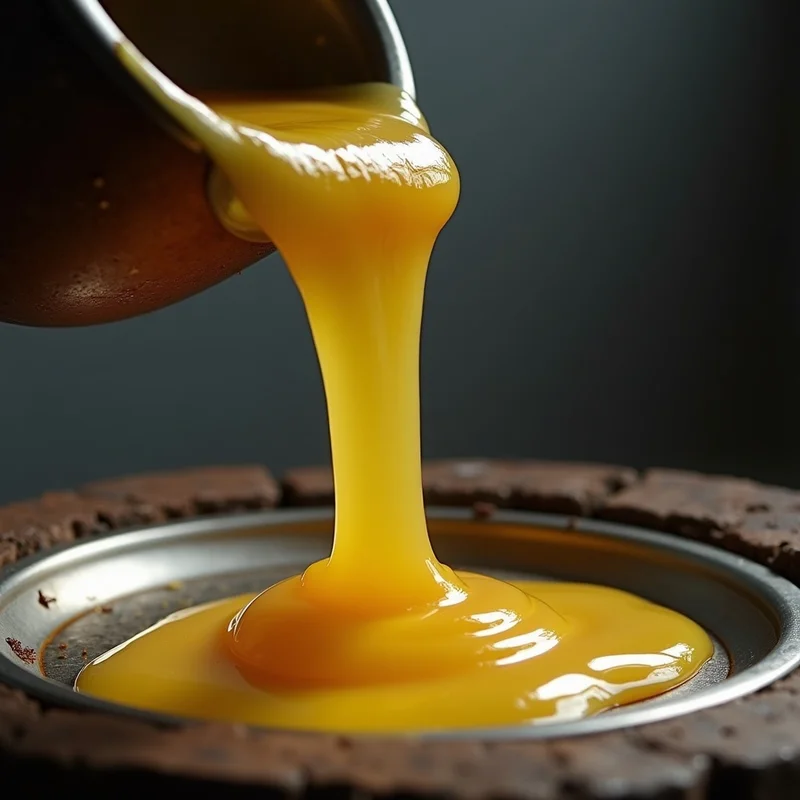
If you're new to Germany or managing your own apartment, you might not realize that your daily kitchen habits can seriously damage your building's plumbing. Pouring grease down the drain is one of the most common and costly mistakes expats make—and it's completely preventable. This guide explains exactly what happens when grease enters your pipes, why German buildings are especially vulnerable, and the simple steps to protect your drainage system and your security deposit.
What Happens When Grease Goes Down the Drain
When hot grease or cooking oil goes down your drain, it seems to disappear harmlessly. In reality, it's creating a serious problem inside your pipes. Here's the science: grease starts as a liquid when it's hot, but as it cools—which happens within meters of your sink—it solidifies into a waxy coating on the inside of the pipes.
- Immediate effect: The grease cools and sticks to the pipe walls, gradually building up layer by layer.
- Chain reaction: This sticky coating traps food particles, soap scum, and hair, creating blockages that are far larger than simple grease alone.
- System-wide damage: In German apartment buildings, your drain connects to a shared system. Grease doesn't just block your apartment—it affects the entire building's plumbing and can cost thousands in emergency repairs.
- Environmental impact: Grease that reaches municipal treatment plants interferes with sewage processing and can contaminate groundwater.
Unlike paper or food waste, grease doesn't break down. It accumulates. Even small amounts poured regularly will eventually cause expensive blockages that require professional drain cleaning equipment to remove.
Why German Plumbing Systems Are Particularly Vulnerable
German buildings—especially older ones—have narrower drain pipes than newer construction in some other countries. Combined with Germany's strict building standards for slope and pitch, these pipes are designed for water and waste, not for semi-solid grease deposits. When grease accumulates, it creates problems faster than in newer buildings.
- Shared responsibility: In most German rental apartments, you're legally responsible for blockages caused by grease in your unit. The landlord can charge you for professional drain cleaning, which typically costs €150–€400 per visit.
- Building regulations: German building code requires proper waste disposal. Using your drain as a disposal method violates these regulations and can be grounds for tenant disputes.
- Age factor: Many German apartments built before 1990 have cast iron or terracotta pipes that are more prone to corrosion and buildup when exposed to grease.
- Shared drain lines: Your drain connects to communal lines that serve the entire building. One tenant's grease can affect dozens of households.
The good news? Prevention is incredibly simple and costs nothing. Once you understand the system, protecting your plumbing becomes automatic.
The Right Way to Dispose of Cooking Grease and Oil
The rule is straightforward: never pour hot or cooled grease down any drain—not your sink, not the toilet, not the shower. Instead, follow these proven disposal methods that work everywhere in Germany.
- Let it cool and solidify: Pour used cooking oil into a container (old jam jars work perfectly), let it cool, and throw it in the regular trash or your organic waste bin.
- Use old towels or newspaper: While grease is still warm, wipe it out of pans with paper towels or old newspaper and dispose of it in the trash. This is faster than waiting for it to cool.
- Collect in a dedicated container: Keep a small container in your kitchen specifically for cooled grease. Many expats use an old coffee tin. When it's full, throw it away.
- Check your local rules: Some German municipalities accept cooking oil at recycling centers. Call your local Abfallwirtschaft (waste management) to ask about free oil disposal programs.
- Never rinse greasy dishes first: Wipe plates, pans, and cookware with a paper towel before washing them. This prevents small amounts of grease from accumulating in your pipes over time.
This simple habit takes 10 seconds and saves you hundreds of euros and enormous stress with your landlord.
Your Grease-Prevention Checklist
Protecting your German apartment's plumbing is easy once you build these habits. Post this checklist on your refrigerator as a reminder for you and any housemates.
- ☐ Never pour hot grease down any drain (sink, toilet, or shower)
- ☐ Wipe pans and dishes with paper towels before washing
- ☐ Keep a dedicated container for cooled cooking oil
- ☐ Dispose of cooled grease in the regular trash or organic waste bin
- ☐ Inform any guests or temporary roommates about this rule
- ☐ Check your building's waste disposal guidelines for local oil recycling
- ☐ Use drain guards in your sink to catch food particles
- ☐ If renting, document that you follow these practices (useful if a blockage occurs elsewhere in the building)
By following these simple steps, you'll protect your plumbing, maintain a healthy relationship with your landlord, and preserve your security deposit. It's one of the easiest and most important things you can do as a tenant in Germany.