
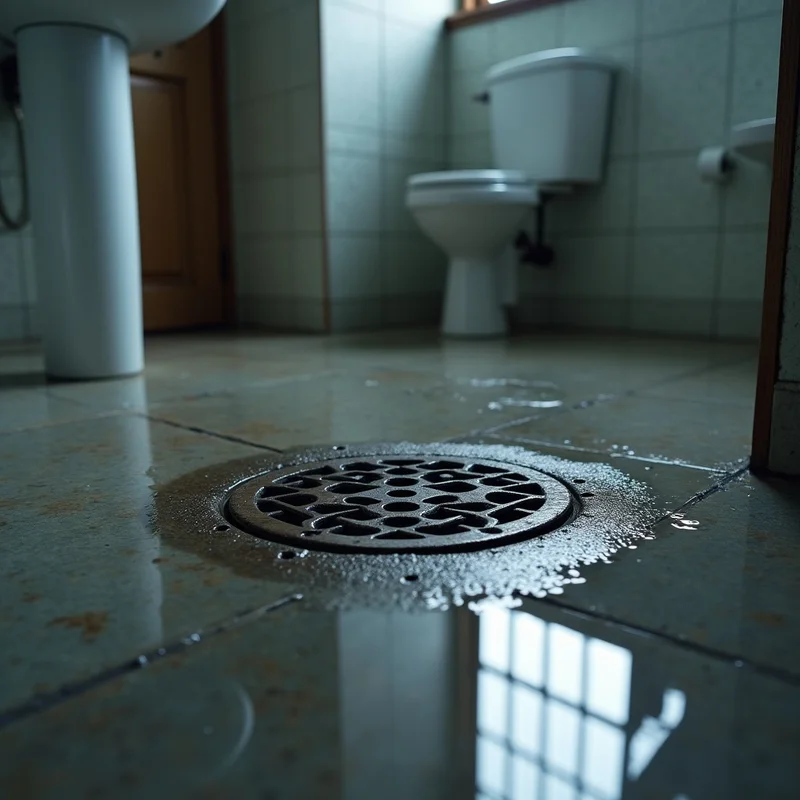
Sewage backing up into your flat is one of the worst plumbing emergencies you can face—and sadly, it happens more often than you'd think, especially in older German buildings. If you're seeing wastewater in your bathtub, shower, or toilet, or noticing foul smells coming from drains, you need to understand what's happening, why it's dangerous, and what steps to take right now. This guide walks you through everything: the causes, the health risks, and exactly who to call for help in Germany.
Signs That Sewage Is Backing Up Into Your Flat
Sewage backup doesn't always announce itself dramatically. Sometimes it starts with small warning signs that build over time. Knowing what to look for means you can act before the problem becomes catastrophic.
- Slow drains in multiple fixtures: If your toilet, shower, sink, and bathtub all drain slowly at the same time, the blockage is likely in your main sewer line, not just one pipe.
- Wastewater pooling: You may notice actual sewage water backing up into your bathtub, shower, or the lowest drain in your flat—this is the most visible sign.
- Foul odours: A persistent, unmistakable sewage smell from drains, especially when you haven't used them, points to a backup.
- Gurgling sounds: Your toilet or drains make strange gurgling noises when you flush or run water elsewhere in the flat.
- Cracks or foundation issues: In rare cases, you may notice damp patches on walls or ceilings, particularly in basements (common in German flats), which suggests a serious rupture in the sewer line.
The moment you notice more than one drain behaving oddly, take it seriously. Don't ignore it hoping it will clear itself—sewage backups only worsen.
What Causes Sewage to Back Up Into Your Flat
Understanding the cause helps you know whether this is a quick fix or a major structural problem. In Germany, flats can face unique challenges because many buildings are decades old, and the responsibility for repairs isn't always clear-cut—especially in rented properties.
- Blockages in the main sewer line: Tree roots, grease buildup, toilet paper clogs, or debris accumulate in the line running from your building to the municipal sewer system. This is the most common cause.
- Collapsed or broken sewer pipes: Older German buildings often have ageing sewer infrastructure. Pipes can crack, collapse, or separate, especially in areas with clay soil or after ground subsidence.
- Blockage in the building's shared line: If you live in a multi-unit block, the problem might be in the shared sewer line serving your entire building, not just your flat. Your neighbours might be affected too.
- Municipal sewer system overload: Rarely, the public sewage system itself backs up during heavy rainfall or maintenance work. Check with your local authority if multiple buildings are affected.
- Improper toilet usage: Flushing wipes (even
Health Risks and Why This Is an Emergency
This isn't just inconvenient—it's genuinely dangerous. Sewage contains harmful bacteria, viruses, and parasites that can cause serious illness. In Germany, public health regulations treat sewage backup as a significant hazard, and rightly so.
- Bacterial infections: Exposure to E. coli, salmonella, and other pathogens can cause severe gastrointestinal illness. Even small contact with sewage water requires medical attention.
- Respiratory hazards: Fumes from sewage contain methane and hydrogen sulphide, which can cause dizziness, nausea, and respiratory distress.
- Skin and wound infections: Any open cut or wound exposed to sewage is at high risk of infection.
- Mould growth: Moisture from backed-up sewage encourages toxic mould, which triggers respiratory issues and allergies—especially problematic in damp German flats.
- Structural damage: Over time, sewage moisture weakens walls, foundations, and flooring, becoming an expensive repair problem.
What to do immediately: Stop using all water fixtures in your flat once you confirm a backup. Avoid any contact with sewage water. If anyone has ingested contaminated water or shows symptoms of illness, contact your doctor or emergency services (call 112 in Germany). Open windows for ventilation and, if the smell is overwhelming or you have respiratory concerns, leave the flat and seek fresh air.
This is an emergency—don't delay. Call our certified English-speaking plumbers now: 015161134271 — we respond to sewage backups 24/7.Your Action Checklist: What to Do Right Now
Sewage backup demands immediate, systematic action. Follow this checklist to protect yourself and your flat, and to give your plumber the information they need to solve it fast.
- Stop using water: Turn off water if possible, or use only absolutely necessary fixtures.
- Document everything: Take photos and video of the backup, drain problems, and any water damage. Note the date and time the problem started.
- Contact your landlord (if renting): Send written notice via email, keeping a copy. In Germany, landlords are legally required to address serious maintenance issues promptly.
- Call a professional plumber: Don't attempt to clear a sewer line yourself—you need proper equipment and expertise.
- Inform your insurance: If you have household contents or building insurance, report the incident immediately. Document damage for claims.
- Ventilate your flat: Open windows widely to reduce fumes and odours.
- Avoid contact: Don't touch sewage water or contaminated surfaces. Wash your hands thoroughly if you've been exposed.
Once a plumber assesses the problem, you'll have a clearer picture of whether this is a simple blockage (fixable in hours) or a major structural issue requiring ongoing coordination with your landlord, insurance, and possibly municipal authorities.