
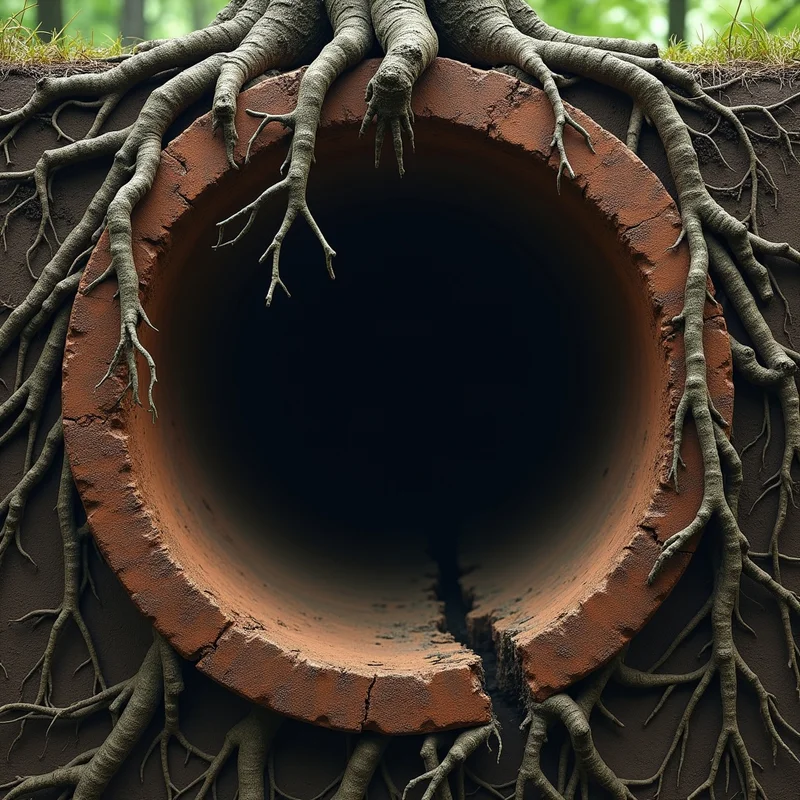
If you live in or near a garden in Germany, tree roots infiltrating your drainage system is a real risk. Roots naturally seek moisture and can crack pipes, build up inside them, and cause expensive backups. This guide explains why roots target your drains, how to spot early warning signs, and what repair methods — from chemical treatments to pipe replacement — actually work. Whether you're renting or own your home, understanding the problem now could save you thousands of euros in repair costs later.
Why Tree Roots Invade Drains
Tree roots are drawn to drains because they need three things: water, oxygen, and nutrients. Your sewer and drainage pipes offer all three, especially if there are tiny cracks or loose joints. Even small gaps invite root penetration, which then expands over months or years as the root grows thicker.
In Germany, older properties with clay or ceramic pipe systems are particularly vulnerable. Modern plastic pipes are more resistant, but not immune. The problem is especially acute in areas with large trees—oaks, willows, poplars, and maples are notorious culprits—and properties where drains run close to the root zone (typically within 10 metres of a mature tree).
- Roots enter through small cracks, joints, and misaligned pipe sections
- They form a mat-like barrier inside the pipe, trapping grease, hair, and debris
- Slow drainage, gurgling sounds, and foul odours often follow
- In winter, frozen soil can worsen root damage and cause complete blockages
Spotting the Signs of Root Blockage
The good news: root blockages develop gradually, giving you time to act before catastrophic failure. Early warning signs include slow draining water in sinks, showers, or toilets; persistent gurgling noises from drains; foul smells coming from outdoor drain covers; and patches of unusually lush grass or moss over the drain line (caused by leaking water).
More serious symptoms appear as the blockage worsens: sewage backing up into showers or toilets, multiple drains clogging simultaneously, and soggy patches in the garden. If you rent in Germany, notify your landlord immediately—they are legally responsible for maintaining external drainage systems under the German Civil Code. If you own your property, consider a professional camera inspection before symptoms worsen.
- Minor signs: slow single drain, occasional gurgling, faint odour
- Moderate signs: multiple slow drains, frequent backups, obvious smell
- Severe signs: raw sewage in house, foundation damage, garden flooding
- Seasonal pattern: symptoms often worse in spring (root growth season) and winter (frost intensifies blockages)
In Germany, you can request a professional drain inspection (Rohrreinigung mit Kamerainspektion) from your water company or a licensed plumber. This typically costs €150–300 and provides definitive evidence of root damage.
Repair Methods — From DIY to Professional Solutions
Your repair options depend on the severity of the blockage and the type of pipe. For minor root intrusions, a professional high-pressure water jetting service can break up roots and clear the pipe. This is non-invasive and costs €200–500. However, it's a temporary fix if the root hasn't broken the pipe; the root will regrow within 1–3 years.
For cracked or severely damaged pipes, you'll need more permanent solutions. Pipe relining (Rohrsanierung mit Inliner) involves inserting a resin-coated tube inside the damaged pipe; it hardens and creates a new inner surface, sealing cracks and preventing future root entry. This costs €1,500–5,000 depending on pipe length and accessibility. Full pipe replacement is the most expensive option but offers a complete, permanent fix—expect €3,000–10,000+ for external sewer lines.
- Water jetting: quick, non-invasive, but temporary; best for minor blockages
- Chemical root killers: not recommended in Germany; they're harsh, often ineffective, and can damage beneficial bacteria in septic systems
- Pipe relining: durable, minimally invasive, ideal for cracked pipes; requires clean pipe access
- Full replacement: permanent solution; necessary if pipe is severely collapsed or damaged
German plumbers are highly regulated and certified. Always ask for a written estimate and proof of liability insurance before work begins. If you're renting, contact your landlord first—they must approve and typically pay for repairs under German tenancy law.
Prevention and Next Steps
Once you've dealt with an active root blockage, prevention is your best investment. Plant large trees at least 10–15 metres away from drainage lines. If trees already exist near pipes, consider regular professional drain inspections every 2–3 years to catch problems early. You can also install root barriers (physical or chemical) around new pipes, though these require professional installation.
Keep your drains in good condition by avoiding grease buildup, using drain screens, and having your system professionally cleaned annually if you live in a high-risk area. In Germany, many towns offer drain maintenance advice through their local water authority; contact yours for specific recommendations for your region.
- Keep drains clean and grease-free to reduce secondary blockages
- Plant new trees at least 10–15 metres from sewer and drainage lines
- Have a CCTV inspection every 2–3 years if trees are near pipes
- Address slow drains immediately—don't wait for sewage backup
- Keep proof of all drain repairs and inspections for insurance and resale documentation