
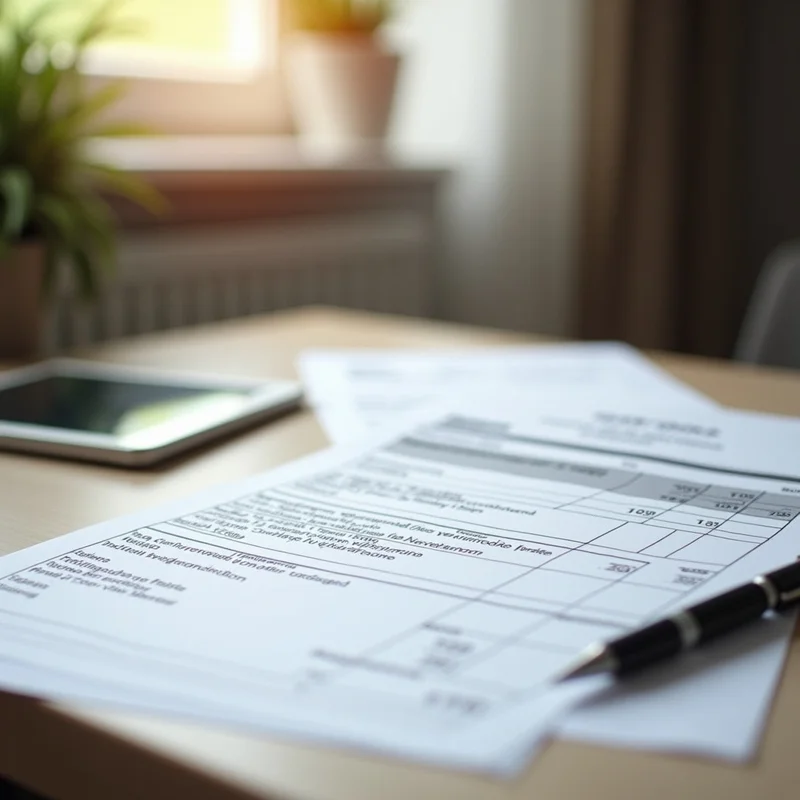
Getting a plumbing bill in Germany for the first time can feel overwhelming—unfamiliar terms, detailed breakdowns, and charges you've never seen before. But German invoices are actually built on clear, transparent logic that protects both you and the tradesperson. In this guide, we'll walk you through every section of a German plumber's invoice so you can understand exactly what you're paying for and feel confident the price is fair.
The Structure of a German Plumber's Invoice
German plumbing invoices follow a consistent format designed for transparency and legal compliance. Unlike some countries where costs can feel hidden, German law requires tradespeople to itemize everything clearly. This actually works in your favour—you can see precisely where your money goes.
A typical invoice includes:
- Header information — the plumber's business details, your address, invoice date and number
- Service description — what work was actually done (often with the date and time)
- Materials list — every part used, with quantity and individual price
- Labour hours — time spent on the job, broken down by task
- Calculation of total — subtotal, VAT, any surcharges, final amount
Each section has a specific purpose and follows industry standards. Understanding these standards helps you verify the invoice is correct.
Breaking Down Costs: Materials, Labour, and Surcharges
Materials
Every pipe, fitting, valve, or part used in your repair is listed separately with its cost. German plumbers typically mark up materials by 15–30% over wholesale price—this covers storage, transport, and the service of having the right part available when you need it. It's normal and fair. You should see the quantity (1×, 2×, etc.) and the unit price clearly stated.
Labour
Labour is charged by the hour, and rates typically range from €45–€90 per hour depending on your region and the plumber's experience. In Berlin and Munich, expect the higher end; in smaller towns, often the lower end. The invoice should show:
- Time spent on diagnosis/assessment
- Time spent on actual repair work
- Travel time (sometimes included in call-out fee, sometimes separate)
- Time spent on invoicing or cleanup
Call-out fee
Most plumbers charge €40–€80 just to show up and diagnose the problem. This is standard in Germany and often waived if you book a repair. Always ask if it applies before the plumber arrives.
Emergency surcharges
If you call outside normal business hours (before 8 a.m., after 5 p.m., weekends, holidays), expect a surcharge of 25–50% on labour costs. This is legal and standard—you're paying for the inconvenience of after-hours availability. The invoice must clearly state the surcharge percentage and the reason.
VAT (Mehrwertsteuer, MwSt)
All invoices include 19% VAT on labour and materials. This is shown separately at the bottom. Some tradespeople may offer a small discount for cash payment, but this must be agreed before the work starts.
Common Charges You Might See—and Whether They're Fair
When you're reading through the detailed breakdown, some line items might surprise you. Here's what's standard and what might warrant a question:
- Diagnostic fee: A separate charge for assessing the problem before repair starts. Normal and fair (€30–€80).
- Sewage inspection: If the plumber needs to use a camera to look inside your pipes, expect €100–€250. This is specialized equipment and standard.
- Waste disposal: Old pipes and fittings can't just go in the bin. Disposal costs of €10–€30 are normal and required by German environmental law.
- Scaffolding or access fees: If work requires special equipment or removing walls, these are separate line items and are legitimate.
- Return visits: If a problem isn't solved on the first visit and the plumber returns the same day, expect a reduced call-out fee (€20–€30) for the second visit. A third visit on the same day is usually free.
- Overtime charges: Work done outside standard hours (lunch breaks, evenings) can be marked at 1.5× or 2× the normal rate. Check your invoice specifies the reason.
What to question: If you see a charge without a clear description, or if the same work appears twice under different names, ask for clarification. Legitimate plumbers expect questions and will explain.
Your Checklist: How to Verify Your Invoice Is Correct
Before paying, take five minutes to run through this checklist. It protects you and shows you're a knowledgeable customer:
- Does the invoice match the work actually done? (Compare the description to what you observed.)
- Are all materials listed, with quantities and individual prices?
- Is the labour time realistic for the work described? (Ask the plumber directly if unsure.)
- Are call-out fees, surcharges, and VAT clearly identified and explained?
- Does the total match the arithmetic? (Add it up yourself.)
- Is the plumber's business registration number visible? (This proves they're registered and insured.)
- Do you have a detailed written invoice, not just a handwritten note?
- Is there a warranty mentioned? (German plumbers usually guarantee labour for 12 months; parts for 24 months.)
A professional German plumber will welcome these questions. If they seem annoyed, that's a red flag. Keep your invoice and any photos of the work for your records—you may need them for your landlord, insurance, or if problems arise later.