
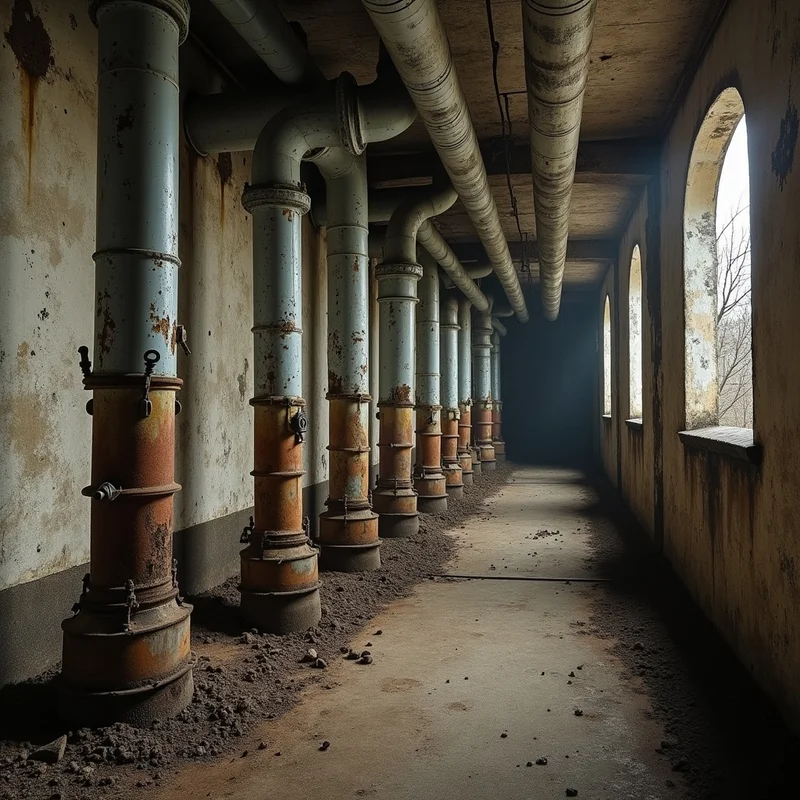
Living in a historic German building has charm — but aging infrastructure can become a real headache. If you're renting or own an older apartment in Berlin, Munich, or any German city, understanding when pipes need replacing could save you thousands in water damage and emergency repair costs. This guide walks you through the red flags, costs, timelines, and who pays for what under German tenant and property laws.
How Old Are Your Pipes? The Age Factor
Most pipe systems in Germany have a lifespan of 25–50 years, depending on material and water quality. If you're in a building constructed before 1970, there's a good chance your pipes are due for inspection or replacement.
- Pre-1970 buildings: Often have galvanised steel or lead pipes. These corrode over time and pose health risks (lead contamination).
- 1970–1990 buildings: Typically feature copper or early plastic pipes. Plastic degrades faster than copper but is easier to replace.
- Post-2000 buildings: Usually have modern plastic (PVC or PEX) systems. These last 40–50+ years with proper maintenance.
- Your lease paperwork: Check your rental contract or building documentation — it may list the last major plumbing renovation.
Seven Warning Signs Your Pipes Need Replacing
Don't wait for a catastrophic burst. Watch for these telltale signs that replacement is overdue:
- Rust-coloured or discoloured water: Brown, yellow, or orange tap water signals corrosion inside your pipes. This is common with old galvanised steel.
- Low water pressure: Mineral buildup and corrosion reduce flow. If pressure drops gradually over months, internal scaling is likely.
- Visible leaks or water stains: Wet patches on ceilings, walls, or under floorboards indicate active leaks. In German apartments, this is a landlord's responsibility to fix immediately.
- Strange noises: Banging, creaking, or whistling sounds suggest pressure imbalances or loose, corroded pipes.
- Frequent backups or slow drains: Mineral deposits and corrosion narrow pipes, trapping water and waste.
- Musty or metallic smell: Rust and bacterial growth in old pipes create odours, especially in drain lines.
- Recent building age confirmation: If your building's last plumbing work was 40+ years ago, proactive replacement is wise even without visible problems.
In Germany, if you're renting, report any of these issues to your landlord in writing immediately. Under German tenant law, landlords must maintain habitable living conditions, which includes functional plumbing.
Costs, Timeline & Legal Responsibility in Germany
Who pays? This depends on your situation. Renters are protected under German law: landlords must fund essential repairs and replacements. Owners of residential properties may be eligible for renovation grants, but costs usually fall on them. If you're buying a property, a thorough plumbing inspection before purchase is essential.
What does it cost? Whole-building pipe replacement in a typical German apartment ranges from €3,000 to €8,000+ for a 2-room flat, depending on complexity and pipe material. Single-flat replacements are cheaper. Modern materials like PEX plastic are often less expensive than copper.
How long does it take? A full replacement typically takes 3–7 days for a single apartment, or weeks for a whole building. You'll have temporary water shut-offs — your plumber will coordinate timing. In shared buildings, coordination with neighbours is necessary.
Next Steps: Your Action Checklist
If you suspect pipe problems, act now. Small leaks become big headaches — and water damage claims in Germany can be complex and costly. Start with a professional inspection to confirm the issue, then decide on a timeline with your landlord or contractor.
Quick checklist:
- ☐ Check your building's age and last plumbing renovation date (ask your landlord or check property records)
- ☐ Document any visible signs (photos of water stains, discolouration, leaks)
- ☐ If renting, notify your landlord in writing (via email counts) of any issues
- ☐ Request a professional pipe inspection — usually €150–300
- ☐ Get a formal quote for replacement before committing
- ☐ Check if your landlord qualifies for renovation subsidies (KfW programs exist for energy-efficient updates)
- ☐ Plan replacement during a convenient season (avoid winter emergencies)